News

Here’s where you can learn about the History program at KIT:
8:00 a.m.–1:00 p.m. Department of Humanities and Social Sciences information booth (Audimax, Building 30.95, Straße am Forum 1)
9:45–10:15 a.m. and 2:00–2:45 p.m. Liberal Arts and Sciences - General Introduction (INFORMATIKOM/Building 50.19, Seminar Room 2/Information Desk in the Foyer)
10:30–11:15 a.m. History Major in the LAS - Presentation (INFORMATIKOM/Building 50.19, Seminar Room 2)
11:30 a.m.–1:00 p.m. “History Orientation” seminar: An introduction to studying history at KIT (Building 30.91, Franz-Haber-Weg 7, Room 012)
12:15–12:45 p.m. LAS – Information Session with LAS Students (INFORMATIKOM/Building 50.19, Seminar Room 2)
Read more by clicking here
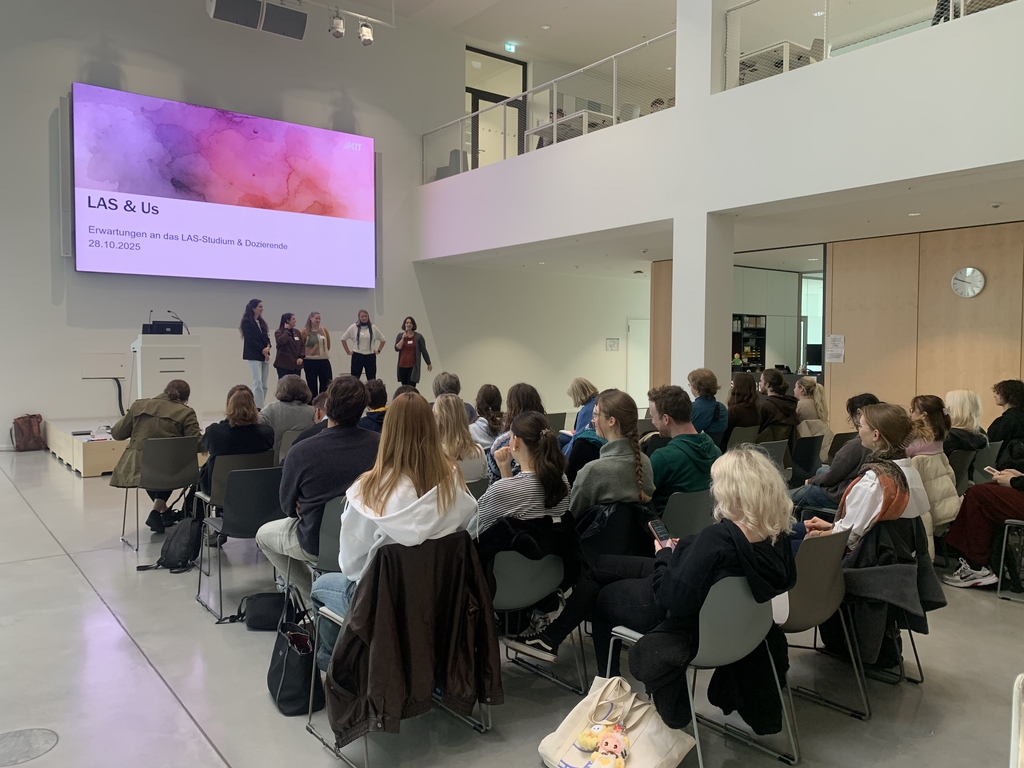
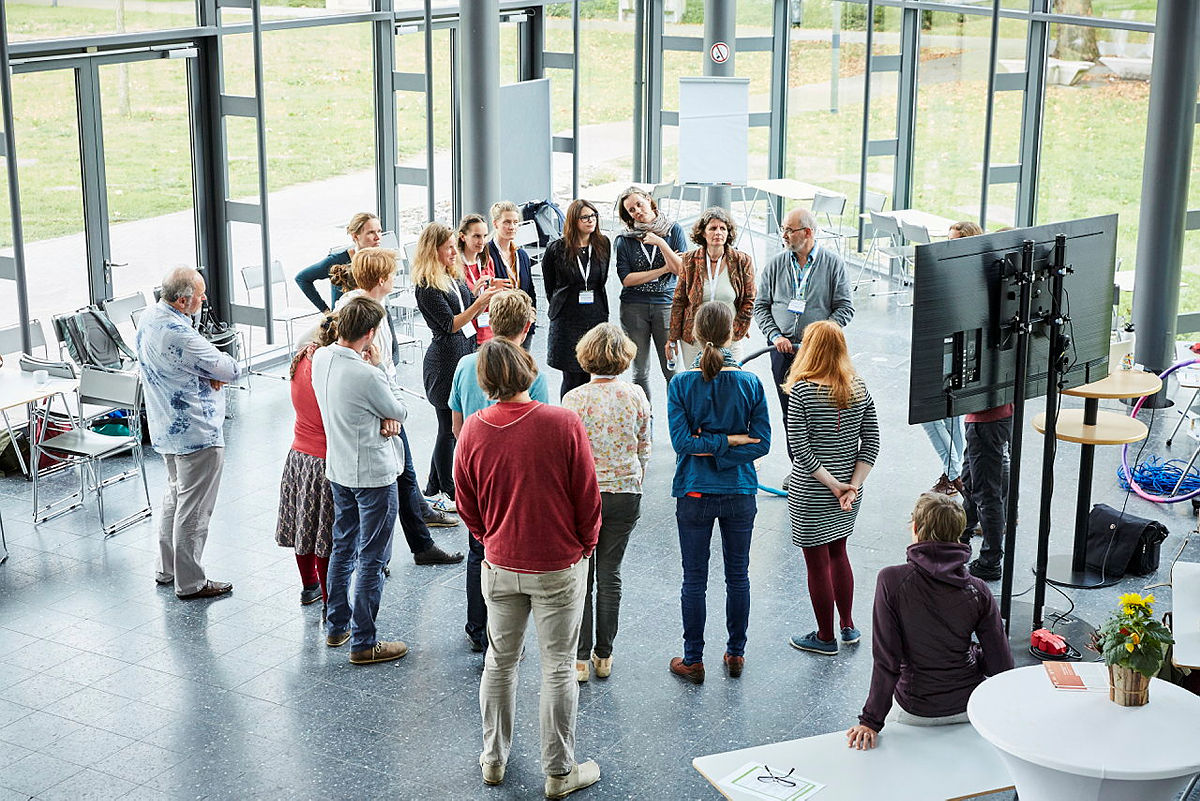
The semester for the Liberal Arts and Sciences degree program kicks off during the last week of October with numerous informational courses: It starts with the LAS Kickoff and the welcome events for first-year students on Monday (Oct. 26). On Tuesday, first-year students can meet our faculty members and ask questions during the “LAS Open Doors” event. On Wednesday, the major programs and the student representatives introduce themselves. This exciting week ends with the kickoff of the Core lecture series. We wish all first-year students the best in their studies!
Link_more
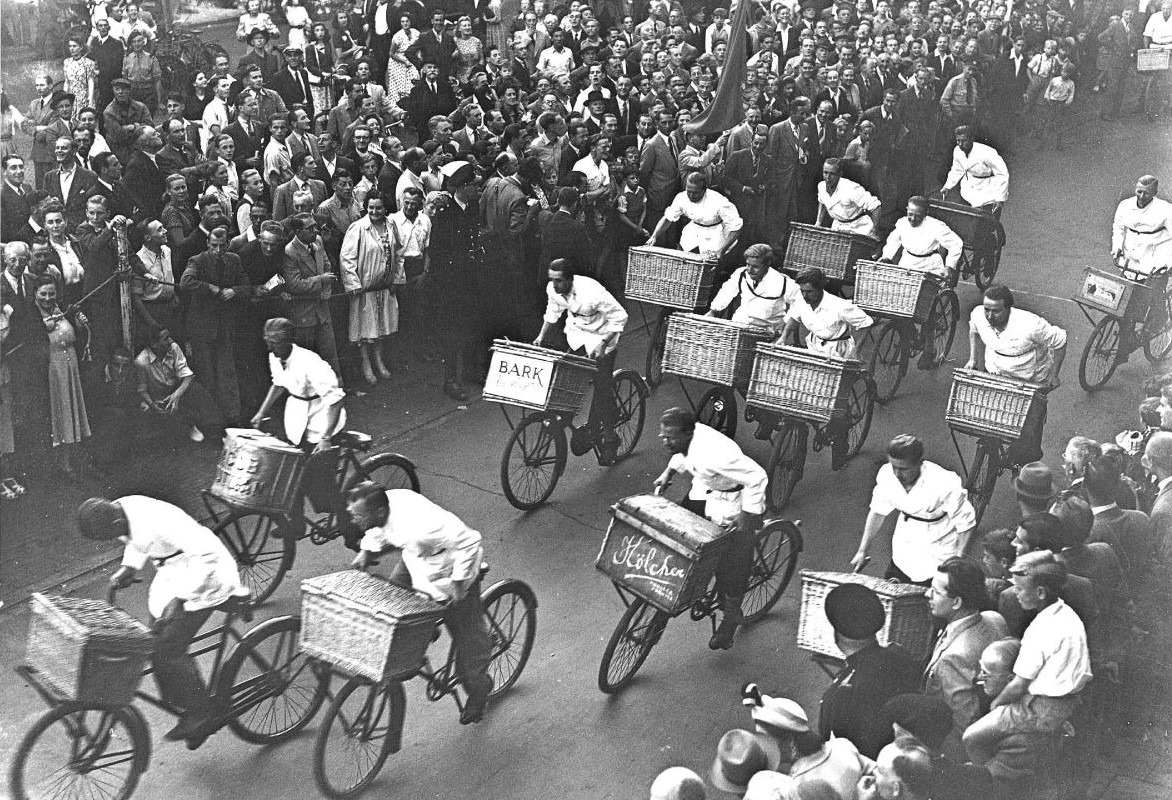
The new issue of the journal *Ferrum*, on the topic of “Low-Tech: Procedures, Actors, Concepts,” is available as open access. Marcus Popplow, as a member of the Scientific Advisory Board, was jointly responsible for the conception of the previous conference at the Eisenbibliothek (Schaffhausen); Silke Zimmer-Merkle has contributed an article to the issue.
Read more by clicking here
You have completed your Bachelor's degree and would like to deepen your history studies - interdisciplinary, practical and with a lot of creative freedom? Then the EUKLID Master's degree program at the Karlsruhe Institute of Technology (KIT) is just right for you!
Special features of the program:
-> Small groups and intensive supervision
-> Choice of modules and courses
-> Final thesis in either history or philosophy
-> Start in the summer or winter semester
Are you interested? You can find all information about the program structure here
Does your BA degree give you access to the MA Euclid? Do you have any other questions? Make an appointment with the Student Advisory Service: fachstudienberatung.geschichte∂itz.kit.edu

In this interview, Rolf-Ulrich Kunze puts the Germans' love of model railroads into historical context. To mark the 25th anniversary of Miniatur Wunderland in Hamburg, a podcast was produced dedicated to the favorite pastime of Horst Seehofer and many other West and East German citizens.
Hear more by clicking here
On July 28, Tim Schanetzky (currently holding the Chair of Modern and Contemporary History at the University of Freiburg) gave a lecture at the research colloquium titled "Contemporary History and Civic Education: More Than Just a 'Reference Discipline'." His research focuses on areas such as the history of capitalism and the history of political ideas, particularly regarding the interconnections between the economy and politics after 1945. In September, he and others are publishing the volume *Der Mann fürs Bunte. Franz Burda und sein Medienunternehmen* with C.H. Beck Verlag.
Link_more
Events
Was man so alles versprühen kann … Eine andere Geschichte des Spraying unter besonderer Berücksichtigung von Fungiziden, Herbiziden und Insektiziden
Reihe Geschichte neuer Technologien
Spraying ist eine vielfältig einsetzbare high-speed processing technology. In der Öffentlichkeit ist das Spraying heute in erster Linie als Technik des Graffiti-Writing bekannt und wird wegen des Spannungsbogens zwischen krimineller Handlung, Aneignung des Stadtraums und Kunst breit diskutiert. Aber insbesondere der industrielle bzw. agroindustrielle Einsatz ist in technischer, quantitativer und ökonomischer Hinsicht erheblich bedeutender: hier geht es um ganz andere Materialmengen und zahlreiche Anwendungen. Im Automobilbau wurde ebenso gesprüht, wie auf dem Bau und im Haushalt. Im Konsumbereich scheint die Sprayflasche – gefüllt mit Haarfestiger, Reinigungsmittel oder Sprühsahne – nach wie vor für Modernität zu stehen.
In den 1920er Jahren entwickelt, verbreitete sich die Sprühtechnik insbesondere seit der Nachkriegszeit, um große Mengen verschiedener Wirkstoffe großflächig zu verteilen. Darunter waren das Entlaubungsmittel Agent Orange, das im Vietnamkrieg eingesetzt wurde, das Insektizid DDT, von dem bis zu 82.000 t jährlich produziert wurden (peak 1963), sowie bakteriologische Kampfstoffe, mit deren Verteilung per Flugzeug und Helikopter Militärs experimentierten. Das Spraying leistete – so die These des Vortrags – einen erheblichen Beitrag zur Verschmutzung der Umwelt. Der Vortrag untersucht den Einsatz der Spraytechnik unter besonderer Berücksichtigung schädigender Stoffe sowie von Materialien, die sich als umwelt- und gesundheitsbelastend erwiesen haben.
Dies ist eine Gemeinschaftsveranstaltung von:
VDI-Bezirksverein Berlin-Brandenburg e.V.Arbeitskreis Technikgeschichte – Dr.-Ing. Dr. Ing. E.h. Karl-Eugen Kurrer und PD Dr. phil. Stefan Poser u.a.
PD Dr. Stefan Poser
VDI Wissensforum GmbH
Düsseldorf Karlsruhe
Tel: +49 211 6214-201
Mail: wissensforum ∂does-not-exist.vdi de
https://www.vdi.de/landtechnik